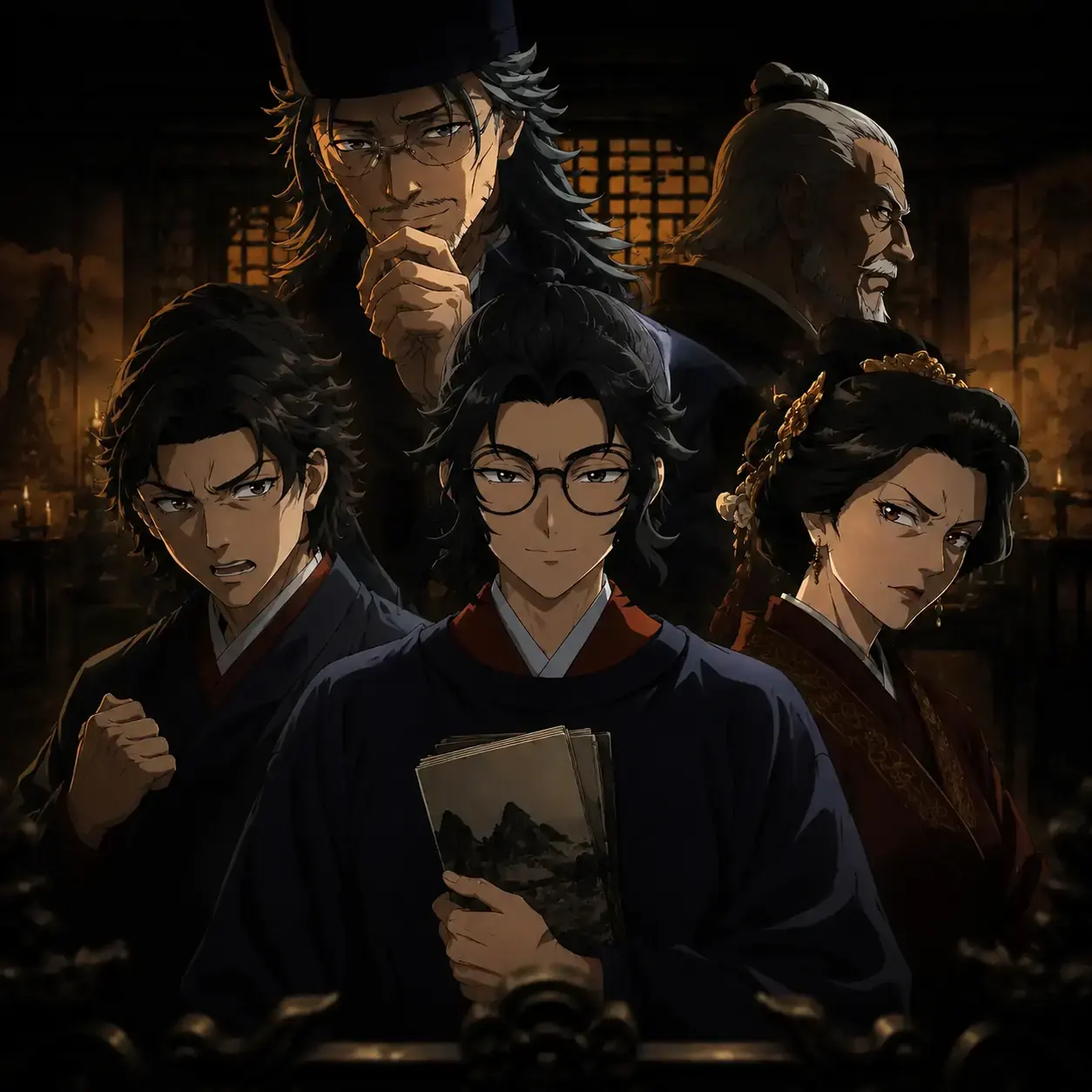
Spoiler Warning
This article discusses light novel spoilers for The Apothecary Diaries Volumes 5 and 6, including the western food-risk setup, Lahan's visit to his biological father's rural estate, Lakan's family headship dispute, Fengxian's death, and the La family's attempt to pressure Lakan while his usual protectors are away.
Scene Locator
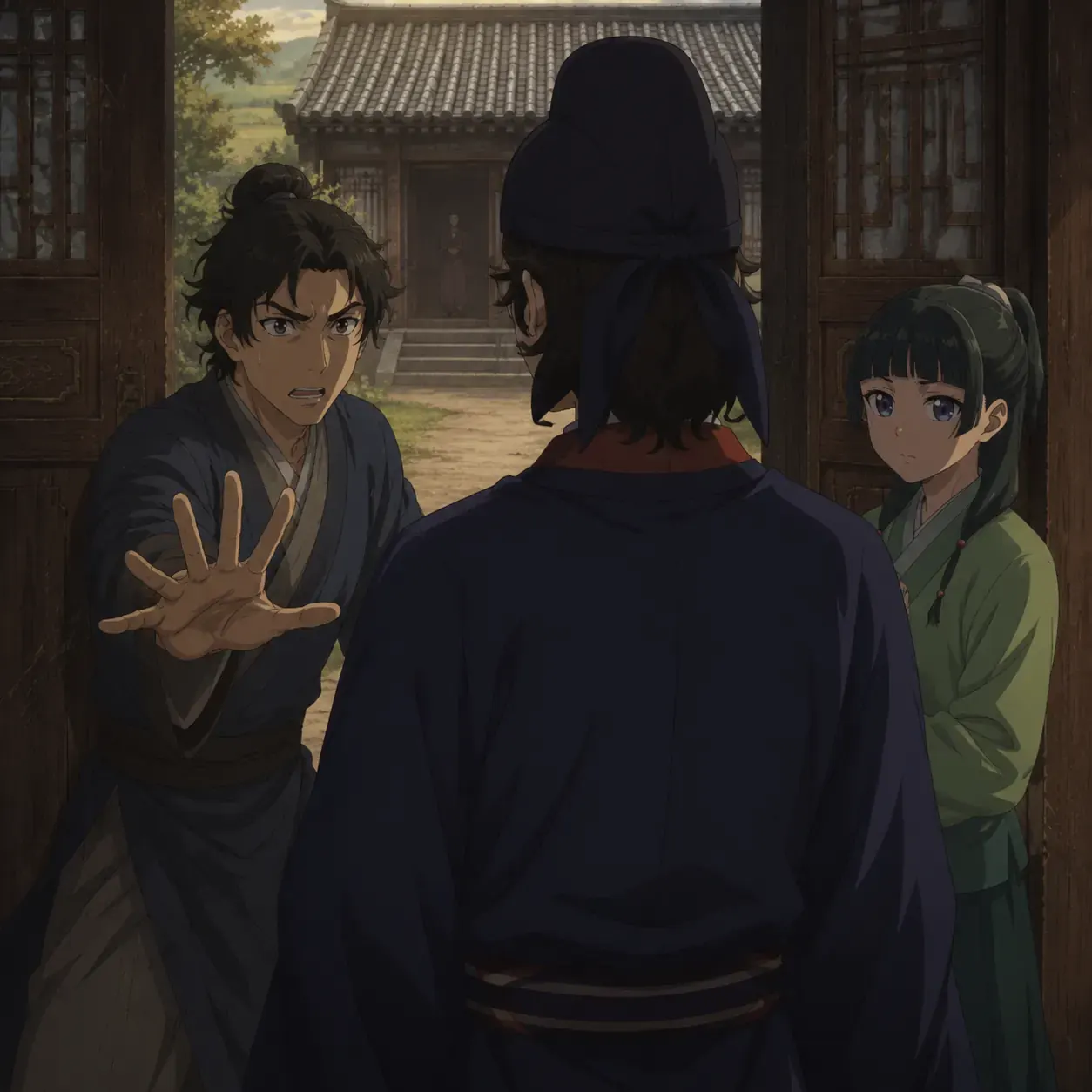
The key material appears in Volume 6 during the La clan chapters after Maomao and Lahan return from the west. Lahan brings Maomao to a countryside residence near the landing point because he wants to see his biological father and follow a crop lead. Instead, the visit exposes a family crisis: Lakan has been confined there, and Lahan's biological relatives still treat him as someone who betrayed them.
Volume 5 matters as background because it sets up the wider anxiety around insects, food supply, and western instability. Volume 6 then connects that national problem to Lahan's father, whose sweet potatoes become much more important than a family curiosity.
Volume-level entry only. The source is community-hosted; availability and rights status may vary.
The Short Answer
Lahan Is a Family Traitor, Not a State Traitor
The word "traitor" around Lahan is not about treason against the emperor or the country. It is family language. His biological family uses the idea of betrayal because Lahan left the emotional and political side of his birth household and became useful to Lakan, the very man who took the La clan headship from Lahan's grandfather.
That distinction matters. Calling Lahan a traitor does not mean the court has judged him as a criminal. It means his mother, brother, and grandfather read his choices through family loyalty. To them, he did not merely accept adoption. He helped the enemy inside the family win.
He Chose Lakan's Side
Lahan is Lakan's adopted son, but Volume 6 makes the adoption feel sharper than a legal arrangement. From the old family's perspective, Lahan crossed a line: he sided with the "fox-eyed" strategist over the people who raised him by blood. That is why the brother's first reaction is not normal awkwardness. It is panic, anger, and an attempt to keep Lahan away before the older generation sees him.
The hard part is that the accusation is not completely invented. Lahan really did assist the chain of events that broke his grandfather's position. The emotional charge comes from the fact that his help was useful, calculated, and almost insultingly unsentimental.
The Headship Conflict
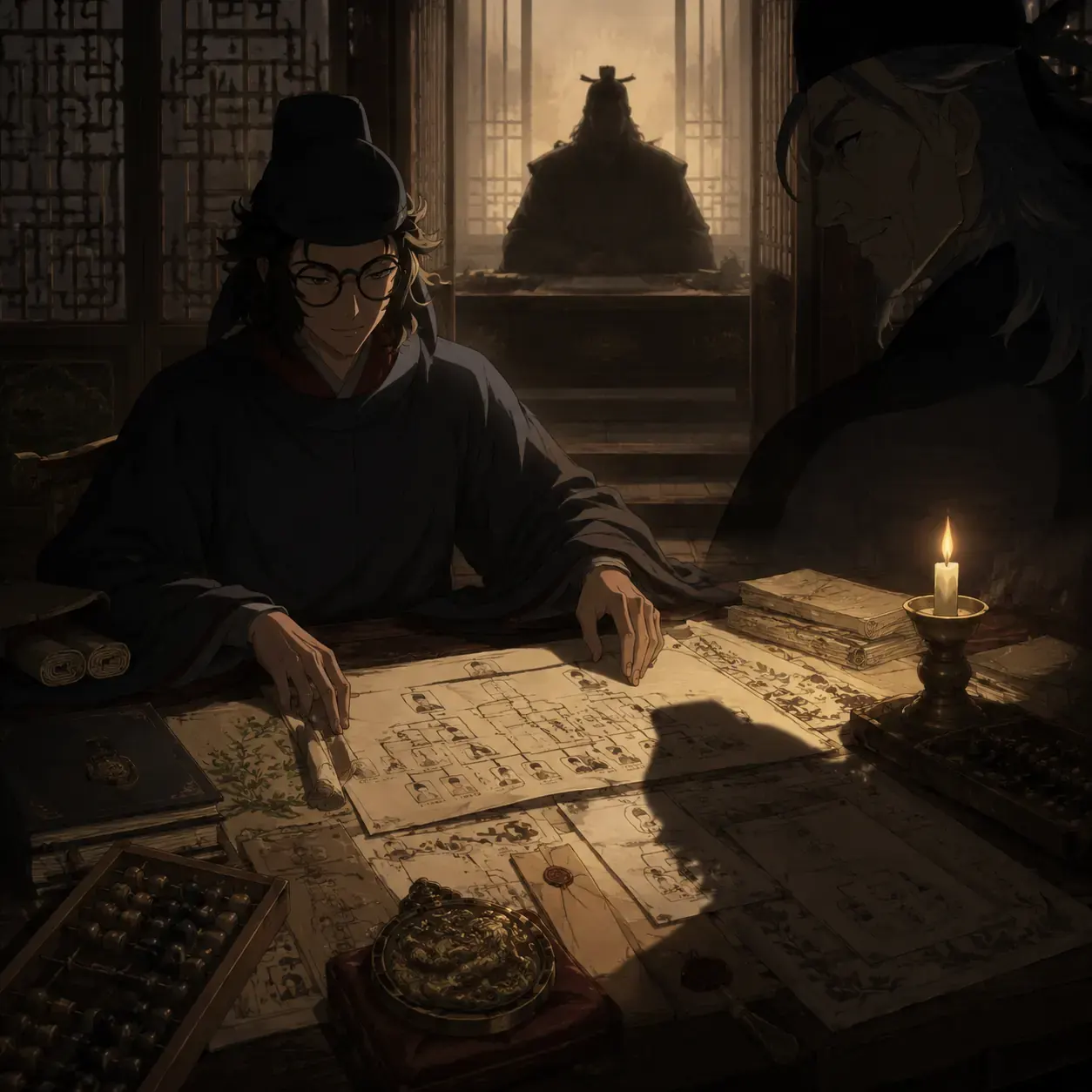
To understand why Lahan is blamed, the family headship has to be treated as more than a household title. Volume 6 explains that the head of a named clan holds a recognized object and that succession is tied to formal court procedure. So when Lakan takes the headship from his father, the result is not only domestic humiliation. It is a public loss of authority.
Lahan's grandfather had weaknesses that could be used against him. Lahan helped gather or organize the kind of evidence that made those weaknesses actionable. The pressure put before the old man was brutally simple: accept disgrace and possible punishment, or give up the headship. Lakan may have been the main strategist, but Lahan's participation made him look like an accomplice from inside the family.
Lahan's Help Makes the Betrayal Feel Personal
If Lakan alone had defeated the old head, the family could hate Lakan from a distance. Lahan makes the wound closer. He is not an unrelated official, hired investigator, or court enemy. He is a son and grandson whose numbers, records, and curiosity help dismantle the position of his own bloodline.
This is the reason Maomao's internal judgment lands so sharply in the scene. She understands why the family no longer treats Lahan as simply one of them. The comedy is that Lahan himself reacts as if he has been mildly misunderstood. He can process the structure of the conflict, but he is terrible at feeling the family wound that structure created.
Lakan Benefits, and Lahan Benefits With Him
The old branch of the family loses the capital, status, and pride. Lakan gains formal control. Lahan becomes Lakan's adopted son and part of the winning side's machinery. Even if Lahan did not act out of pure malice, the result still looks damning to the people who lost.
That is why "traitor" is emotionally persuasive inside the family. Lahan's choices line up too neatly with Lakan's rise and the old household's fall.
Why the Family Reacts So Badly
Volume 6 does not give every family member the same reaction, which is what makes the scene more interesting than a simple "everyone hates Lahan" answer. His mother appears to have cut him off emotionally. His brother hates him, but the brother's immediate panic is also protective and practical. His father is gentler, and his response complicates the idea that Lahan is only a villain in his own house.
The Mother Treats Lahan as Lost
The mother's resentment is the cleanest example of the traitor label. She wants her other son to inherit and seems to treat Lahan as someone who no longer counts as her child. Her anger is not only about affection. It is tied to pride, rank, and the belief that Lahan helped destroy the family order she wanted restored.
For her, Lahan's adoption by Lakan is not a neutral change of household. It is proof that he chose the man she cannot forgive.
The Brother Hates Him, But Not Only for That
Lahan's brother is angry, but he is also trying to stop a bigger disaster. He knows that Lahan's presence, Maomao's identity, and the old generation's obsession with Lakan can collide badly. His attempt to send Lahan away is not graceful, but it is not meaningless either.
That makes the brother more sympathetic than he first looks. He can hate Lahan and still be the person in the house who understands that another confrontation will make everything worse.
The Father Makes the Accusation Less Simple
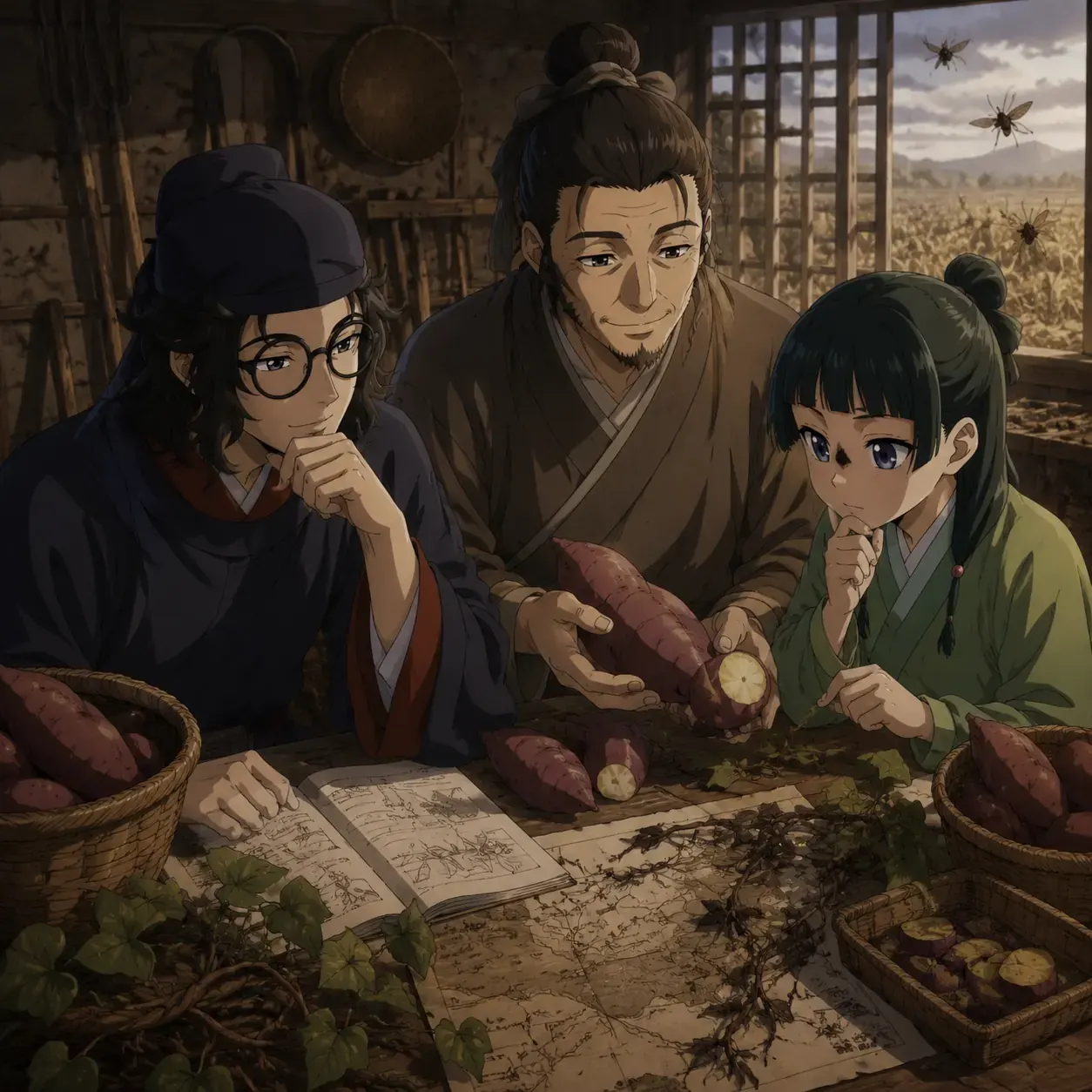
Lahan's biological father is the key complication. He does not treat Lahan as permanently disowned. He also seems to have found unexpected happiness in the rural life that followed Lakan's takeover. He grows crops, experiments, and turns exile into a strange kind of freedom.
That does not erase what happened to the family, but it prevents the article from reducing the old branch to pure victims. The grandfather's pride and the mother's resentment are real. The father's adaptability is real too.
Why Volume 5 Still Matters
At first glance, the traitor issue belongs entirely to Volume 6 family drama. But Volume 5 gives the visit its reason. The western arc raises questions about insects, food shortage, migration pressure, and political instability. By the time Lahan visits his father's estate, food is no longer a background detail. It is a national concern.
This is why the sweet potatoes matter. Lahan is not simply dropping in because he misses his family. He wants information and materials from his father: a crop that can grow in poor soil, produce heavily, and be multiplied through vines. The same visit that reveals the family's resentment also reveals a practical answer to the food-risk thread Volume 5 put on the table.
The Crop Lead Explains Why Lahan Is There
Without the crop lead, Lahan's arrival would feel too convenient. With it, the scene becomes more precise. Lahan goes to the estate for a rational, economic reason. He finds family rage because the estate is also where the old La branch has been nursing its grievance and where Lakan has been made vulnerable.
That overlap is very Apothecary Diaries. A family argument, an agricultural discovery, and a political crisis all occupy the same room. Lahan is useful because he can see the resource value even while everyone else is reacting emotionally.
Internal Links for the Wider Crisis
For the western-pressure side of the story, read why Jinshi had to go west. For the insect and survival clues connected to Shisui/Loulan, read what Maomao gains from Shisui. Together, those articles show why Lahan's crop interest is not a throwaway gag.
Is Lahan Actually Guilty?
The honest answer is uncomfortable: Lahan is not innocent in the emotional sense, but he is also not wrong in the simple moral sense. His grandfather was not an admirable victim. The old head had enough misconduct and pride for Lakan to use against him. Exposing that did not create the rot; it revealed rot that already existed.
Still, Lahan's way of participating is cold. He seems more interested in clean numbers, useful leverage, and a satisfying solution than in what it feels like for a child to help remove his own grandfather. That is why the accusation sticks even when the old family is not especially sympathetic.
He Betrays Blood Loyalty, Not Truth
From a truth-and-evidence perspective, Lahan's actions make sense. From a blood-loyalty perspective, they are unforgivable. The novel lets both readings exist at the same time. Lahan can be right about the facts and still emotionally brutal in how he handles them.
This is one of the reasons he works as a character. He is not a softened version of Lakan, and he is not a normal son trapped in a cruel family. He is a La clan person through and through: clever, strange, practical, and capable of making family bonds look like poor accounting.
Lakan's Shadow Makes Everything Worse
Lahan's betrayal would sting less if he had simply left. Instead, he leaves toward Lakan. For the old family, Lakan is the figure who stole status, humiliated the patriarch, and pushed them out of the capital. Lahan joining that side turns personal distance into symbolic surrender.
For more on Lakan's vulnerable Volume 6 arc, read what happened to Lakan in Volume 6. For the more specific question of what Lahan knew when he arrived at the estate, read did Lahan know Lakan was at his father's residence.
Why This Changes Lahan
The traitor label makes Lahan more than comic calculation. Before Volume 6, it is easy to read him mainly as Lakan's odd, money-minded adopted son. The family chapters show the cost of that position. Lahan is useful to Lakan because he is willing to treat family power like a system. His birth family hates him for the same reason.
That is the point. Lahan's intelligence is not only charming. It can be socially devastating. When he reduces family conflict to evidence, headship, and leverage, he solves one problem while creating another kind of damage.
He Mirrors Lakan Without Copying Him
Lahan does not have Lakan's exact aura, but Volume 6 shows why the family groups them together. Both men can look at people through function. Both can be useful in a crisis. Both can be intolerable when feelings demand recognition instead of calculation.
The difference is that Lahan still has living family members who can talk back. His brother, mother, and father force readers to see the human aftermath of cleverness. That makes the "traitor" label valuable even when it is biased. It tells us what Lahan's competence feels like from the losing side.
The Best Reading Is Both Practical and Emotional
Lahan is treated like a traitor because his choices helped Lakan win the La clan conflict. He is also treated that way because his family cannot separate political loss from emotional abandonment. The smartest reading keeps both layers together.
He did not betray the country. He did not simply betray the truth. He betrayed the expectation that a son should protect his birth family first, even when that family is flawed. In the world of The Apothecary Diaries, that is enough to make him a traitor at the dinner table, even if the court would call him useful.
FAQ
Why was Lahan treated like a traitor?
Lahan is treated like a traitor because his biological family believes he sided with Lakan against them. He helped expose leverage against his grandfather, accepted adoption by Lakan, and became part of the side that took the La clan headship.
Did Lahan betray the emperor or the country?
No. The accusation is family language, not a formal charge of state treason. It is about blood loyalty, adoption, inheritance, and the humiliation of the old La family branch.
Why does Lahan's brother hate him?
The brother resents Lahan's betrayal of their birth family, but his behavior in Volume 6 is also practical. He tries to keep Lahan and Maomao away because their presence can expose Lakan's confinement and trigger a worse confrontation.
What did Lakan do to the La family?
Lakan took the family headship from his father after using the old head's weaknesses against him. That transfer pushed the old branch out of the capital and left lasting resentment around Lakan and Lahan.
Why are sweet potatoes part of this plot?
Lahan visits his biological father partly because the father has been cultivating sweet potatoes. After Volume 5 raises food and locust concerns, that crop becomes a practical lead rather than a random rural detail.
What should I read next?
Read what happened to Lakan in Volume 6 for the grief and headship trap, then visit the character relationship map for Lakan and Lahan's place in the wider La family thread.