Spoiler Warning
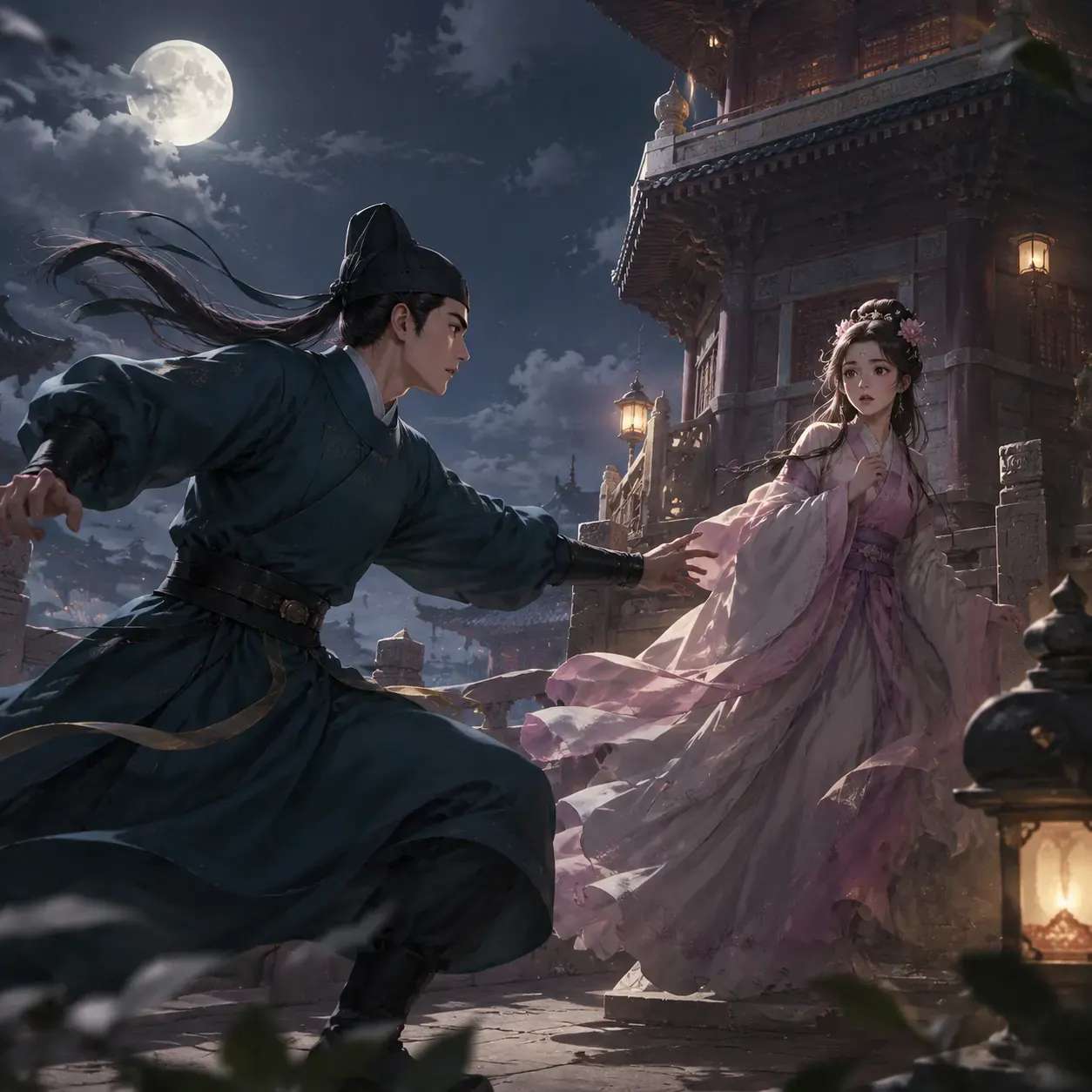
This article discusses light novel spoilers for The Apothecary Diaries Volume 6, including Lishu's return from the west, the false-letter scandal, her tower confinement, the White Lady incident, Basen's rescue, and the aftermath of Lishu losing her position as a consort. Anime-only readers should stop here.
Scene Locator
The setup begins before the rescue itself. Volume 5 sends Lishu west under Ah-Duo's protection, in a context shaped by marriage politics, Jinshi's public role, and Lishu's father's attempts to keep her useful. If you want that background first, start with was Lishu forced to go west? and what Lishu's father was planning.
Volume 6 brings Lishu back to the rear palace and then turns her position into a trap. A copied romantic text, unreliable attendants, old family pressure, and the dangerous presence of the White Lady all gather around a girl who has never been good at defending herself. The emperor confines Lishu in a tower partly to control danger, but that protective enclosure becomes the stage for a new crisis.
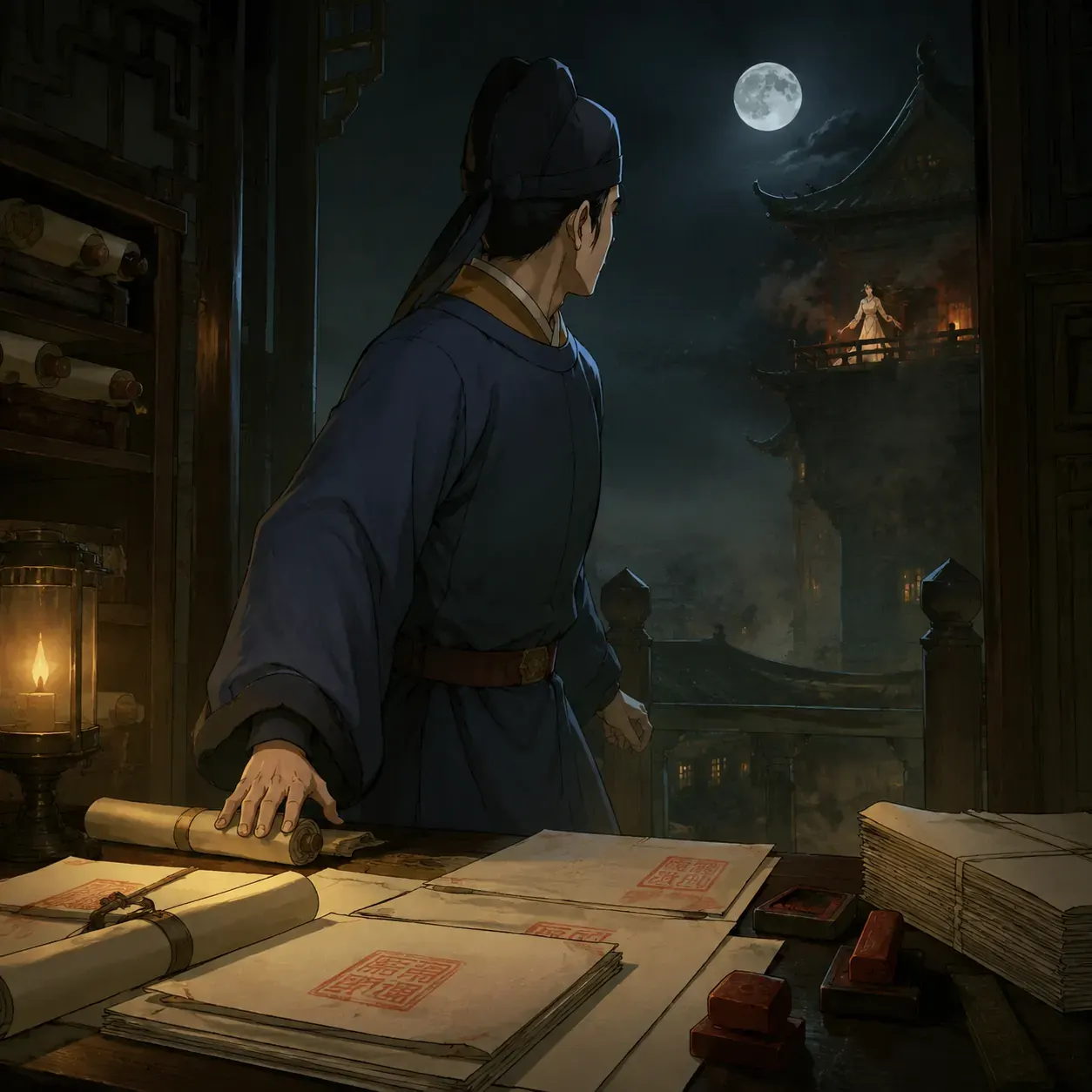
Basen enters the scene as a Ma clan guard whose normal assignment is tied to Jinshi and imperial protection. He is not Lishu's official rescuer by written court plan. That is exactly why his action matters. When Lishu is in immediate danger, Basen moves faster than the court can explain itself.
Volume-level entry only. The source is community-hosted; availability and rights status may vary.
The Short Answer
Not a Secret Order
Basen does not save Lishu because he is carrying out a neat secret order from Jinshi, Gaoshun, or the emperor. The point of the scene is that he acts before the situation can be processed through the usual hierarchy. In a palace where everyone is trained to ask who has authority, Basen answers a simpler question first: is someone about to die?
That is what makes the rescue feel like self-authorization. Basen does not pause to calculate the proper distance between a male guard and a former high consort. He does not first decide whether saving Lishu will be politically convenient. He reacts, and the reaction exposes what kind of person he is when there is no time to perform court logic.
The best short answer is this: Basen acts on his own because his guard instinct, youth, guilt over past failure, and basic decency all point in the same direction. Lishu is falling. Waiting for permission would turn protocol into cruelty.
Basen's Guard Instinct
Basen is not Gaoshun. That contrast matters. The article on why Gaoshun did not go west with Jinshi explains the duty split: Gaoshun serves the emperor while Basen guards Jinshi. Basen inherits the Ma family guard role, but not his father's smooth tact.
That can make Basen frustrating in calm scenes. He is direct, awkward, and less skilled at reading emotional nuance. But in a falling-body emergency, those same traits become useful. He does not need to decode a court conversation. He needs to move.
So Basen's rescue is partly professional instinct. A guard family raises sons to react to physical danger. Basen may be socially clumsy, but he understands bodily risk. Lishu's fall is not a puzzle to debate. It is a threat to intercept.
Why Lishu Matters in That Moment
Lishu matters because the story has spent two volumes showing how rarely anyone treats her as a person before treating her as a position. Her father treats her as leverage. The rear palace treats her as a consort. Marriage politics treat her as a possible solution. Even protection from powerful adults often arrives as another arrangement made around her.
Basen's rescue is different because it is not about placing Lishu somewhere. It is about keeping her alive. That sounds basic, but in Lishu's story basic human recognition is precious. The rescue says, before anything else, that Lishu's life is worth immediate risk.
This is why the scene belongs beside the broader Ah-Duo and Lishu relationship analysis. Ah-Duo protects Lishu with experience, social reach, and political arrangement. Basen protects Lishu with his body. Both forms matter, but they reveal different truths about her situation.
Lishu Has Been Protected Without Being Free
Volume 5 and Volume 6 repeatedly distinguish protection from freedom. Lishu can be moved west for her own good and still have little real choice. She can be confined for safety and still feel trapped. She can be handled gently by Ah-Duo and still remain dependent on stronger adults.
Basen's action does not solve that whole problem. He does not magically give Lishu independence, restore her reputation, or erase her father's influence. But he does something the larger system keeps failing to do: he responds to her immediate suffering without first converting it into policy.
The Rescue Changes How Readers See Lishu
Lishu can be easy to underestimate because she is timid. The tower incident asks readers to stop treating that timidity as comic weakness. She has been pressured by family, isolated by rank, frightened by scandal, and placed near a dangerous woman whose presence worsens her condition. Her fall is not foolishness in a vacuum. It is the result of a fragile person being left inside a dangerous structure.
Basen's rescue helps reframe her from "weak consort" to "endangered person." That shift matters for future readings of her arc. Once someone risks himself for her life, the story no longer lets the audience keep Lishu at a safe emotional distance.
Three Kinds of Protection Around Lishu
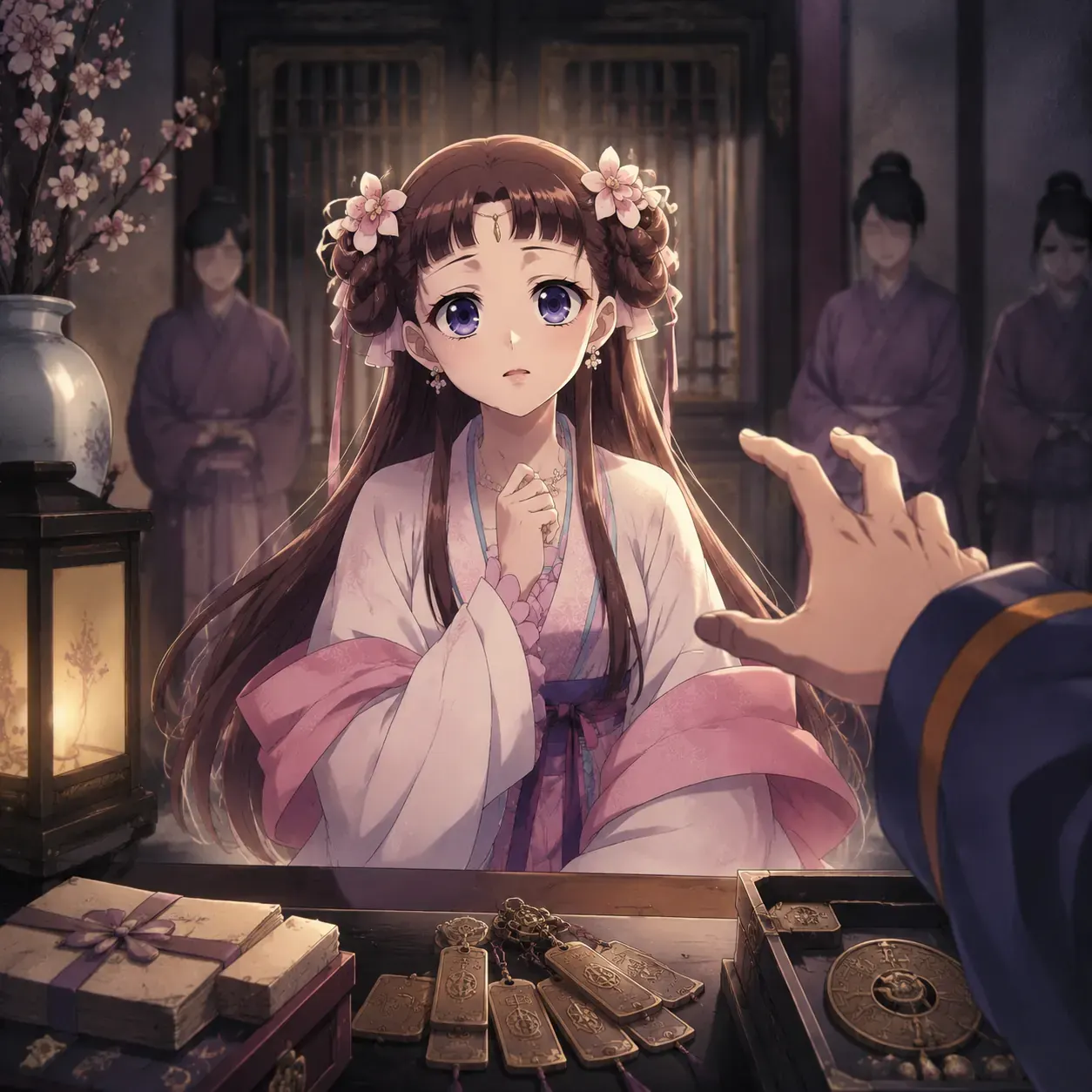
Basen's action becomes clearer when compared with the other people trying to protect Lishu. The point is not that everyone else is evil and Basen alone is pure. The point is that each person protects through the tools they understand.
Ah-Duo Protects by Arranging
Ah-Duo sees Lishu's vulnerability and tries to move her toward less terrible options. That can mean taking her west, standing near her in public, checking on her return, and using old imperial connections to reduce damage. Ah-Duo's protection is intelligent and emotionally real.
But Ah-Duo's protection still belongs to court logic. It works through access, travel, attendants, marriage possibilities, and private influence. It softens the system from inside the system. That makes it powerful, but not simple freedom.
The Emperor Protects by Containing
The emperor's handling of Lishu is more institutional. He wants to prevent assassination, scandal, and court disorder. That is why confinement can appear as protection, punishment, and damage control at the same time. From the throne's perspective, Lishu is both a person and a political risk.
This kind of protection can keep danger from spreading, but it can also leave the protected person isolated. Lishu's tower confinement is the clearest example. The court may have reasons for the decision, but Lishu experiences the result as fear and loneliness.
Basen Protects by Moving
Basen's protection is the least strategic and the most physical. He does not redesign Lishu's future. He interrupts the immediate catastrophe. That makes his rescue emotionally sharp because it is one of the few moments where Lishu is not being managed as a problem.
The three forms of protection create the full picture. Ah-Duo gives Lishu shelter. The emperor gives Lishu containment. Basen gives Lishu immediate bodily rescue. None of these alone fixes her life, but Basen's action is the one that most clearly says: before Lishu is a rank, she is alive.
Is Basen's Rescue Romantic?
The rescue can support a Basen and Lishu reading, but it should not be flattened into "he did it only because he loves her." That is too small for the scene. Basen's action works first as instinct, decency, and guard training. If the moment later grows into romantic possibility, it grows from that foundation.
This matters because The Apothecary Diaries often distrusts romance that ignores power. Lishu is vulnerable, recently confined, politically damaged, and emotionally fragile. Basen is a male guard from a loyal military family. A rescue can create a bond, but it also creates rumors and obligations. The story is careful because any connection around Lishu has consequences.
So the best reading is balanced: the scene is not a formal confession, but it does make Basen emotionally visible to Lishu and to readers. He becomes someone who did not merely discuss her fate. He physically answered it.
Why the Romance Reading Still Feels Tempting
The romance reading is tempting because the rescue gives Lishu what her arc has lacked: a direct, personal answer. Basen does not protect her because she is useful to his father, valuable to Jinshi, or convenient for a faction. He protects her because she is in front of him and in danger.
For a character like Lishu, that distinction is powerful. She has been seen through family ambition, old palace history, consort rank, and scandal. Basen's action cuts through all of that. Even if the story does not ask readers to call it love immediately, it gives them a reason to wonder what Lishu might become around someone who acts before calculating her political value.
Why It Is Not a Simple Love Declaration
At the same time, Basen's action is too urgent to read as a planned romantic gesture. He is not courting her. He is responding to danger. That makes the moment cleaner, not weaker. A staged confession would be about Basen's feelings. The rescue is about Lishu's life.
That difference is why the scene has staying power. It does not need Basen to explain himself beautifully. In fact, Basen is not the kind of character who would. The action is the explanation.
Why the Scene Matters
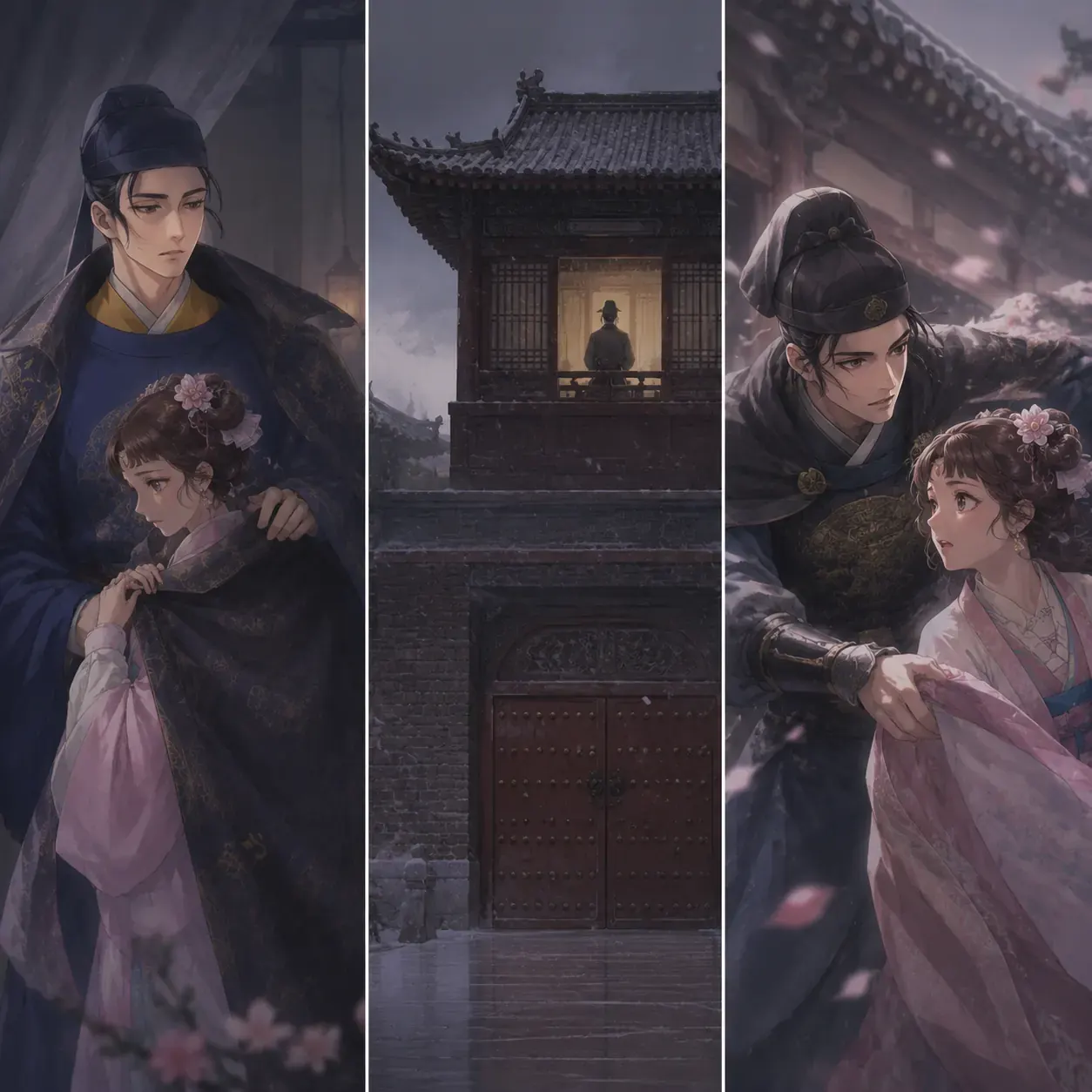
Basen's rescue matters because it exposes the gap between court safety and human safety. The court keeps saying Lishu is being protected, moved, tested, confined, or corrected. Yet danger still reaches her. Basen's action is the moment when protection stops being administrative and becomes physical.
It also develops Basen. Until this point, Basen can seem like a blunt younger guard attached to Jinshi's party. The rescue gives that bluntness moral weight. He may lack Gaoshun's tact, but he has the kind of courage that does not wait for a perfect explanation.
For Lishu, the rescue helps turn her Volume 6 aftermath into something more than punishment. She still loses her consort position and does not receive a modern-style liberation. But the story gives her one crucial human answer before it lowers her political value: someone risked himself for her life.
That is why Basen's self-authorized rescue fits so well with the site's wider Lishu reading path. Read Lishu's western agency question, then her father's political plan, and then this rescue scene. Together, they show the same arc from three angles: Lishu is repeatedly treated as movable, but Basen's action insists she is first a person.
Common Misreadings
Misreading 1: Basen saved Lishu only because he was in love
That is too narrow. The scene can support later emotional possibility, but the immediate motive is guard instinct and human decency under pressure. Basen acts because Lishu is in danger.
Misreading 2: Basen was secretly ordered to do it
The rescue works because it is not presented as a clean official order. Basen steps outside the usual permission chain. That self-authorization is what makes the moment reveal his character.
Misreading 3: Basen's action was reckless and therefore wrong
It is reckless by court standards, but not morally wrong in the immediate emergency. Waiting for a safer protocol could have protected Basen's reputation while abandoning Lishu to the fall.
Misreading 4: The rescue solves Lishu's whole arc
It does not. Lishu still faces consequences, removal from the consort role, and a limited future shaped by others. The rescue matters because it saves her life and changes the emotional meaning of her story, not because it fixes the system around her.
FAQ
Why did Basen act on his own to save Lishu?
Because the danger was immediate and Basen's guard instinct overrode court hesitation. He acts before rank, gender protocol, and scandal logic can stop him.
Was Basen ordered to rescue Lishu?
The scene reads best as Basen acting without a neat prior order. That is why it matters: he chooses action before the court can authorize it.
Does Basen love Lishu?
The rescue can seed a Basen and Lishu emotional reading, but it is not a formal confession. The immediate motive is saving a person in danger, not staging romance.
Why was saving Lishu improper?
Lishu's status, gender, scandal, and confinement make physical intervention risky for a male guard. Basen's action crosses normal boundaries because the alternative is letting protocol endanger her life.
How does this connect to Ah-Duo and Lishu?
Ah-Duo protects Lishu by arranging safer paths inside court politics. Basen protects Lishu by acting physically in the crisis. The two forms of protection show how fragile Lishu's life has become.
What should I read next?
Read Ah-Duo and Lishu's relationship, whether Lishu was forced west, and why Basen replaced Gaoshun beside Jinshi in the west.