Spoiler Warning
This article discusses light novel spoilers for The Apothecary Diaries, including the Ma clan's guard duty, Gaoshun's place in the imperial household, Basen's western assignment, Taomei's household role, and the reason the family avoids formal office. Anime-only readers should stop here.
Scene Locator
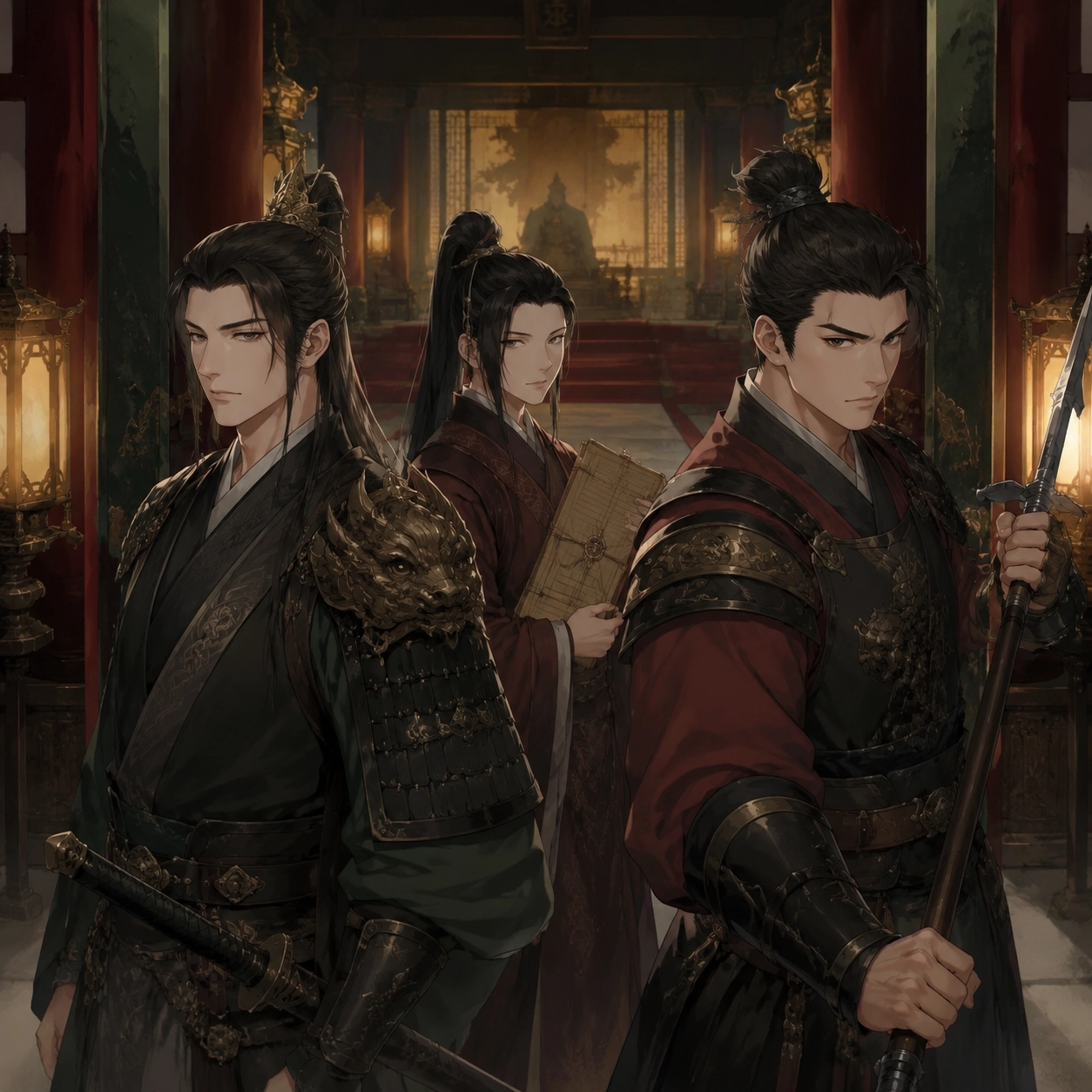
The clearest explanation comes in the novel passages that describe the Ma clan as a direct imperial guard family. The text makes two things plain at once: the men can die protecting the ruler, and because of that the women have to become the household's brain. That is not a poetic flourish. It is the structure of the clan.
A second key passage explains why the clan never fully converts that intimacy into rank. Many Ma clan members become royal milk siblings, but they do not turn that closeness into official office or consort status. The story says the arrangement exists to prevent private affection from becoming inherited power.
If you want the clearest examples of that structure in action, read Gaoshun and the Emperor's relationship and why Gaoshun did not go with Jinshi to the Western Capital. This article zooms out and asks what kind of family makes those choices possible in the first place.
Volume-level entry only. The source is community-hosted; availability and rights status may vary.
The Short Answer
A Hereditary Shield, Not a Court Faction
The Ma clan is the throne's hereditary shield. It exists to protect the imperial family, not to compete with it. Its men are trained to stand near danger, its women keep the household stable, and the family does not chase official office as a reward for service.
That is why the clan feels strange if you read it like a normal noble house. Normal noble houses want land, titles, daughters placed well, sons promoted, and influence that can outlive one ruler. The Ma clan is built differently. It is closer to a service engine that happens to be a family. The family is important precisely because it does not try to turn itself into a separate political bloc.
This is also why the clan's loyalty feels so believable in The Apothecary Diaries. The story is full of people who want something from the court. The Ma clan is one of the few groups whose value comes from being useful without converting usefulness into a public power grab.
Why the Women Hold the House
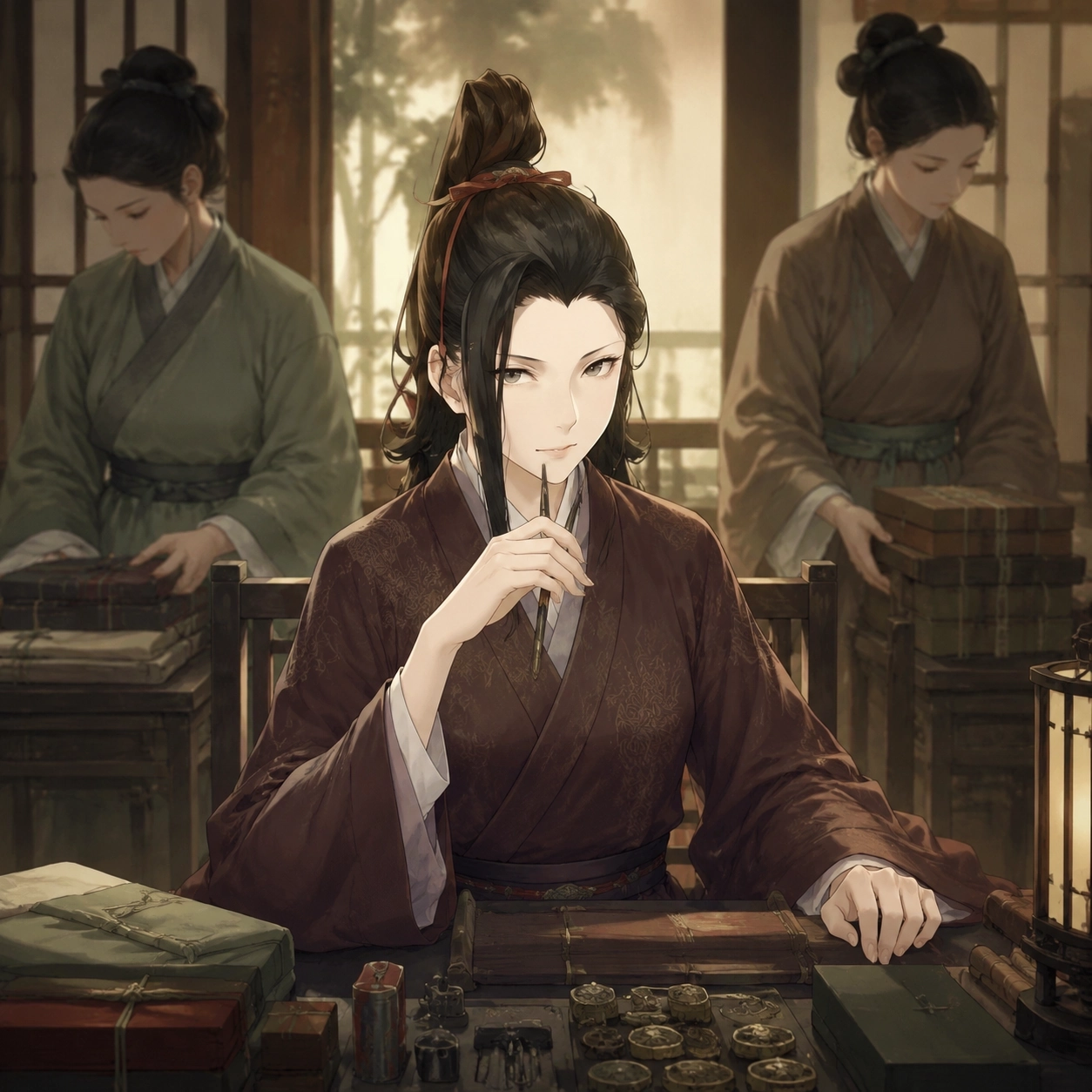
The novels are blunt about this. If the men can die protecting the ruler, then the house cannot be left to drift. The women become the family's center of gravity. They do the planning, the remembering, the keeping-together. Taomei, Gaoshun's wife, is the clearest face of that logic.
That means the Ma clan is not a macho guard club with a few domestic helpers on the side. It is a family in which the public guard role and the private household role are split on purpose. The men leave, the women hold the center, and the family survives because both sides are doing a job the court cannot do for them.
Why the Ma Clan Has No Official Office
The text makes the reason very clear: the clan is too close to the imperial family to be treated like ordinary bureaucrats, but that same closeness would become dangerous if it turned into public rank. So the Ma clan stays in the background and keeps the sword without also taking the office.
That is why the story says many Ma clan members become royal milk siblings, yet still never gain official positions or become consorts. The court is protecting itself from one very specific risk: if a family is both emotionally close and officially empowered, it can turn intimacy into leverage.
In other words, the lack of office is not a loss. It is the point. The clan's trustworthiness depends on remaining useful without becoming a rival center of power.
Gaoshun as the Clearest Example
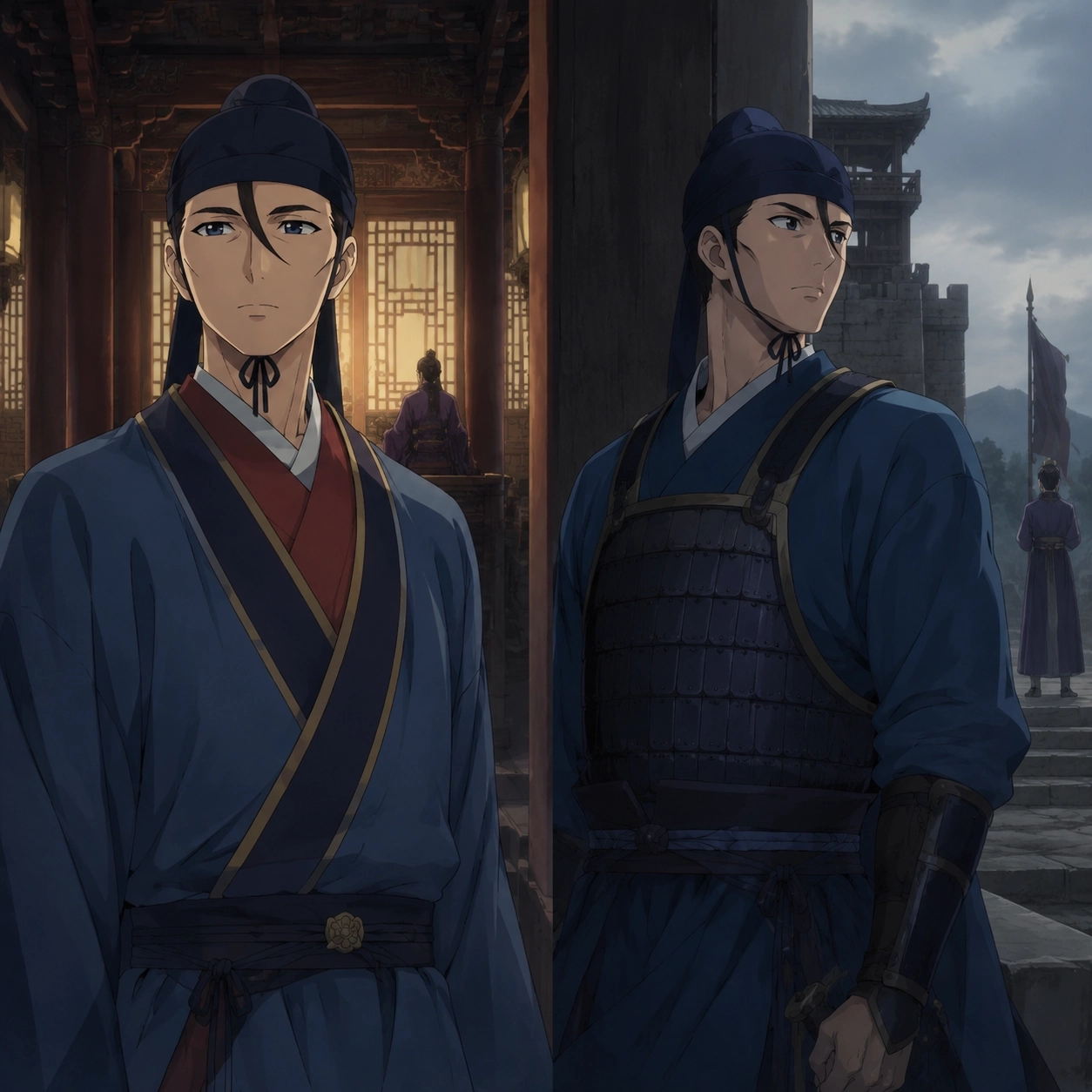
Gaoshun is the easiest way to see the Ma clan logic on the page. He can look like a plain attendant beside Jinshi or the Emperor, but the novels still treat him as a Ma family man first and a court role second. That is why he can return to emperor-side duty without the story reading it as a betrayal.
Once Jinshi moves west, Gaoshun stays with the Emperor while Basen takes the western guard role. That split is not random. It shows the clan functioning as a single duty system stretched across two imperial centers. If you want the duty split in detail, read why Gaoshun did not go with Jinshi to the Western Capital.
Gaoshun also shows why the Ma clan matters politically. He has access, restraint, and the kind of memory the court relies on when secrets are too sensitive to be spoken out loud. He is not important because he talks the most. He is important because he knows how to stand close to power without trying to own it.
Gaoshun Does Not Outgrow the Clan
Even when the outside world would describe him as an attendant or a palace helper, the novels keep returning him to the clan logic. That means his service is bigger than one job title. It is family duty in action, with all the discipline and awkwardness that implies.
This also helps explain why his relationship with the Emperor feels so steady. It is not a friendship that floats free of structure. It is a bond built inside a family system that already knows how to serve without making a scene.
Basen Shows the Next Generation
Basen is the next proof that the Ma clan is a system, not just a single man. He is younger, rougher around the edges, and less tactful than Gaoshun, but he is still part of the same inherited duty. When he guards Jinshi in the west, he is not replacing his father as a person. He is carrying the same family function into a different room.
That matters because the story could have written Basen as a random bodyguard. It does not. It writes him as the son who inherits the clan's job, even when he is still awkward enough to make the job feel heavier than it should. That is why the Ma clan feels alive instead of decorative.
For a good example of Basen under pressure, see why Basen acted on his own to save Lishu. That article shows the same instinct the clan depends on: blunt action shaped by duty, not by personal glory.
The Royal Milk Sibling Logic
One of the stranger details in the novels is that many Ma clan members become royal milk siblings. That closeness does not turn into public power, though. The story explicitly says the clan avoids office and does not become consorts, because the court does not want a family with that much private access to turn it into public authority.
This is a very Apothecary Diaries kind of solution. The court does not solve the problem by being pure or fair. It solves it by building a limit into the system. The Ma clan can be trusted near the throne because it is not allowed to become the throne's competitor.
That is also why the clan's place beside the Emperor and Jinshi feels so stable. They are close enough to know the private shape of power, but the clan is not structurally equipped to use that closeness as a takeover plan.
What the Clan Protects in Practice
In practice, the Ma clan protects three things at once: the Emperor's body, the Emperor's household, and the quiet shape of succession politics around Jinshi. That is why the clan keeps showing up around both the Emperor and Jinshi instead of attaching itself to one of them alone.
Think of the clan as the court's internal pressure valve. When succession, secrecy, or duty starts to spike, the Ma clan is one of the few structures that can absorb the pressure without making it public theater.
If you want to follow the succession layer outward, pair this article with Jinshi's real name guide and why the Emperor takes Jinshi and Maomao to the Shrine of Choosing. The Ma clan sits right under those higher-stakes questions.
Common Misreadings
Misreading 1: The Ma clan is just a martial family
No. It is a family structure built around service, household continuity, and political restraint. Martial skill matters, but the women keeping the house together matters just as much.
Misreading 2: No official rank means no importance
The opposite is closer to the truth. The clan stays out of office because it is too important to be allowed to become a rival office.
Misreading 3: Gaoshun's role is just personal loyalty
Gaoshun is loyal, but his loyalty is not private sentiment alone. It is clan duty working through him.
Misreading 4: Basen is only a rougher copy of his father
Basen inherits the same duty, but he shows a different generation of it. The clan survives because it can produce the same loyalty in a new shape.
FAQ
What is the Ma clan in The Apothecary Diaries?
It is the imperial guard family that protects the throne from inside the court. The men guard, the women keep the household running, and the family stays out of official office.
Why does the Ma clan not hold office?
Because the court does not want a family that is already close to the imperial line to turn that intimacy into inherited power.
Who are the clearest Ma clan examples?
Gaoshun is the clearest adult example, Basen shows the next generation, and Taomei shows the household center that keeps the family working.
How is this connected to Jinshi?
Very directly. The clan protects the same imperial structure that surrounds Jinshi's public role, and Gaoshun's duty split makes that connection easy to see.
What should I read next?
Start with Gaoshun and the Emperor's relationship, then read why Gaoshun stayed behind and why Basen acted on his own to save Lishu.